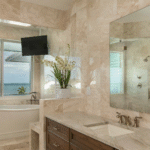
Refined_patterns_emerge_alongside_innovative_spinkings_offering_unique_design_so
- Refined patterns emerge alongside innovative spinkings offering unique design solutions
- The Art and Science of Creating Spinking Patterns
- Material Considerations and Techniques
- Applications Across Interior Design
- Spinking in Furniture and Fixtures
- Spinking in Architectural Facades and Exterior Spaces
- Sustainable Considerations and Material Selection for Exteriors
- The Growing Demand for Customized Spinking Solutions
- Future Horizons: Integrating Spinking with Emerging Technologies
Refined patterns emerge alongside innovative spinkings offering unique design solutions
The world of decorative surfacing is constantly evolving, with designers and homeowners alike seeking unique and captivating elements to transform spaces. Recently, a growing interest has emerged around intricate, layered patterns known as spinkings. These aren't simply applied textures; they represent a shift towards dimensionality and tactile experiences in interior and exterior design. They offer a departure from flat, conventional surfaces, introducing depth, complexity, and a touch of artistry to a variety of applications.
Traditionally, surface treatments focused on color, material, or simple textures. However, the demand for more visually and physically engaging designs has propelled the development of techniques like spinking. These patterns are being incorporated into everything from architectural panels and furniture facades to bespoke art installations and high-end consumer products. This trend reflects a broader cultural appreciation for craftsmanship, intricacy, and personalized aesthetics, moving away from mass-produced uniformity.
The Art and Science of Creating Spinking Patterns
Creating effective spinking designs requires a blend of artistic vision and technical precision. The process typically involves layering materials, carving, molding, or employing advanced digital fabrication techniques to achieve the desired three-dimensional effect. The selection of materials is crucial; various options like wood, metal, polymers, and composites can be utilized, each offering distinct characteristics in terms of durability, texture, and aesthetic appeal. Mastering the interplay of light and shadow is also intrinsic to the process, as the depth and complexity of spinking patterns are optimally revealed under varying lighting conditions.
Material Considerations and Techniques
The choice of material significantly influences the appearance and longevity of spinking patterns. Wood, for instance, lends itself to intricate carving and offers a natural warmth. Metals, such as aluminum or stainless steel, provide a sleek, contemporary look and enhanced durability. Polymers provide versatility in terms of color and form, and can be molded into complex shapes with relative ease. Modern manufacturing technologies, like CNC milling and 3D printing, enable the creation of extremely complex spinking designs that were previously unattainable. Each material requires different treatment and finising techniques to enhance its qualities and ensure seamless integration into different design schemes.
| Material | Durability | Cost | Typical Applications |
|---|---|---|---|
| Wood | Moderate | Moderate | Interior Paneling, Furniture |
| Aluminum | High | High | Exterior Facades, Architectural Details |
| Polymer | Moderate to High | Low to Moderate | Decorative Panels, Sculptural Elements |
| Stainless Steel | Very High | Very High | High-End Architectural Features, Public Art |
Beyond material selection, the technique used to form the spinking is paramount. Carving, a traditional method, requires skilled artisans and is best suited for wood and softer materials. Molding allows for replication of a design and works well with polymers and resins. Digital fabrication allows for incredibly complex forms and precise execution, facilitating customization and intricate geometric patterns.
Applications Across Interior Design
The versatility of spinking patterns allows for a broad spectrum of applications within interior design. They can serve as focal points in living rooms, creating visually striking wall panels or decorative screens. In kitchens, spinking can add texture and depth to cabinet doors or backsplashes, elevating the overall aesthetic. Bathrooms benefit from the textural contrast, incorporated into vanity units or feature walls. Beyond purely decorative uses, spinking can also be integrated into functional elements such as lighting fixtures and acoustic panels, combining form and function seamlessly. The ability to customize both the pattern and the material makes spinking adaptable to any interior style, from minimalist modern to ornate traditional.
Spinking in Furniture and Fixtures
Furniture presents another fertile ground for the application of spinking techniques. Chair backs, table surfaces, and cabinet fronts can all be transformed with layered patterns, adding a touch of sophistication and uniqueness. Lighting fixtures, too, can be enhanced; a spinking effect can diffuse light in interesting ways, creating ambient illumination and visual interest. The integration of spinking into furniture isn’t merely aesthetic; it can also contribute to the tactile experience, inviting interaction and adding a sensory dimension to the design. Careful consideration must be given to ergonomics and usability when incorporating spinking into furniture, ensuring that comfort and functionality are not compromised.
- Enhances visual appeal and adds depth to furniture pieces.
- Creates unique lighting effects when integrated into fixtures.
- Provides tactile interest and invites interaction.
- Allows for complete customization of design and material.
- Offers a departure from traditional, flat furniture surfaces.
This deep dive into the versatility of spinking reveals its ability to transcend simple decoration, becoming an integral aspect of both aesthetic and functional design elements.
Spinking in Architectural Facades and Exterior Spaces
The use of spinking isn't limited to interior realms; it’s increasingly being adopted in architectural facades and exterior spaces. Applying spinking to building exteriors creates a dynamic visual texture that changes with the light throughout the day. This can significantly enhance a building's aesthetic appeal, transforming a mundane surface into a captivating artistic statement. Materials like metal and durable polymers are favored for exterior applications due to their weather resistance and longevity. However, the integration of spinking into architectural designs requires careful consideration of factors like structural integrity, wind load, and maintenance requirements.
Sustainable Considerations and Material Selection for Exteriors
When implementing spinking on exterior surfaces, sustainability becomes a crucial factor. Choosing materials with low environmental impact, such as recycled metals or sustainably sourced wood, is essential. Additionally, the manufacturing process should minimize waste and energy consumption. Utilizing materials that require minimal maintenance and have a long lifespan reduces the long-term environmental footprint. Exploring bio-based polymers that degrade naturally at the end of their life cycle also presents a promising avenue for sustainable spinking applications. The integration of green technologies, such as rainwater harvesting systems disguised within spinking facades, can further enhance the environmental performance of the building.
- Select sustainably sourced materials like recycled metals.
- Minimize waste and energy consumption during manufacture.
- Choose materials with a long lifespan to reduce replacement needs.
- Explore bio-based polymers for eco-friendly alternatives.
- Integrate green technologies, such as rainwater harvesting.
The execution of these considerations allows for visually stunning architecture while respecting ecological principles.
The Growing Demand for Customized Spinking Solutions
As the appreciation for unique and personalized design continues to grow, the demand for customized spinking solutions is experiencing a significant surge. Clients are increasingly seeking patterns tailored to their specific preferences, incorporating bespoke motifs, logos, or abstract designs. This trend has fueled the development of advanced digital fabrication technologies and design software that enable intricate customization with relative ease. The ability to visualize and refine designs in virtual reality before production offers clients a high degree of control and ensures that the final product aligns perfectly with their vision.
This focus on personalization facilitates a collaborative design process, where designers work closely with clients to translate their ideas into tangible, three-dimensional forms. This individualized approach moves away from standardized mass-produced patterns, offering a unique and bespoke aesthetic that sets a space apart. Furthermore, the rise of on-demand manufacturing capabilities allows for the production of customized spinking elements in small quantities, making it accessible to a wider range of projects, from residential renovations to large-scale commercial installations.
Future Horizons: Integrating Spinking with Emerging Technologies
Looking ahead, the future of spinking is poised to be even more innovative, driven by the integration of emerging technologies such as generative design and artificial intelligence. Generative design algorithms can create complex and organic patterns based on specific parameters, providing designers with a vast array of options to explore. AI can analyze design preferences and automatically generate spinking patterns that align with individual tastes. Furthermore, the development of smart materials that respond to environmental stimuli, such as light or temperature, could lead to dynamic spinking surfaces that change their appearance over time. These advancements promise to unlock new possibilities for creative expression and functionality, pushing the boundaries of what’s achievable with spinking techniques. The intersection of art, technology, and material science will undoubtedly redefine the landscape of surface design in the years to come, with increasingly sophisticated and captivating implementations of patterns akin to spinkings.
Imagine architectural facades that subtly shift their texture in response to sunlight, or interior panels that adapt their aesthetic based on the mood of the occupants. These are not merely futuristic concepts, but realistic possibilities on the horizon, powered by the ongoing evolution of materials and intelligent design systems. This dynamic interplay between form and function will position spinking as a core element in building environments – completely redefining the relationship between spaces and the people who inhabit them.