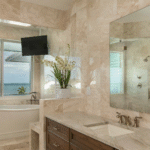
Vibrant_textures_featuring_https_thebonrush-uk_co_uk_enhance_modern_interior_sch
- Vibrant textures featuring https://thebonrush-uk.co.uk enhance modern interior schemes
- The Impact of Textured Fabrics on Interior Design
- Understanding Fabric Weights and Weaves
- Color and Texture: A Harmonious Blend
- Utilizing Texture to Create Depth with Color
- Incorporating Texture Throughout Different Rooms
- Texture in Specific Areas: A Detailed Look
- The Future of Textured Interiors
Vibrant textures featuring https://thebonrush-uk.co.uk enhance modern interior schemes
The world of interior design is constantly evolving, with a growing emphasis on textures that add depth, character, and a touch of luxury to living spaces. Finding the right elements to achieve this can be a challenge, but retailers like https://thebonrush-uk.co.uk offer a curated selection of vibrant textiles designed to enhance modern interior schemes. These aren’t just fabrics; they are statements, capable of transforming a mundane room into an inviting and sophisticated haven. The careful selection of these textures contributes significantly to the overall ambiance and aesthetic appeal of a home.
From sumptuous velvets to intricately woven silks and textured linens, the possibilities are endless. The beauty lies not only in the visual impact but also in the tactile experience – the way a fabric feels under your hand. Increasingly, homeowners and interior designers are recognizing the importance of layering textures to create spaces that are both visually stimulating and deeply comfortable. More than just decorative items, these textiles are functional, offering sound absorption, insulation, and a sense of warmth. A well-chosen textured piece can act as a focal point, drawing the eye and setting the tone for the entire room.
The Impact of Textured Fabrics on Interior Design
The addition of textured fabrics can dramatically alter the perception of a space. A room that feels flat and uninspired can be brought to life with the introduction of a plush velvet cushion, a woven throw blanket, or even textured wallpaper. The layering of different textures – like combining smooth silk with rough linen, or a knitted wool with polished wood – creates visual interest and depth. This isn’t just about aesthetics; it’s about creating a sensory experience that engages more than just the eyes. Consider how the light plays on different textures, highlighting their unique qualities and adding dimension to the space. A space with abundant textures feels more inviting and considered, conveying a sense of comfort and sophistication.
Understanding Fabric Weights and Weaves
When selecting textured fabrics, it’s crucial to understand the difference between fabric weights and weaves. Lighter-weight fabrics like voile and chiffon are ideal for creating sheer curtains or delicate accessories, offering a soft and airy feel. Heavier-weight fabrics such as upholstery-grade velvet, damask, and brocade provide durability and a more luxurious aesthetic, perfect for furniture and statement drapery. The weave of the fabric also plays a significant role. A tight weave will create a smoother, more refined texture, while a looser weave will result in a more rustic or organic look. Paying attention to these details ensures that the chosen fabrics not only look beautiful but also function optimally within a given space. The right choice enhances both style and longevity.
| Fabric Type | Weight | Common Uses | Texture Profile |
|---|---|---|---|
| Velvet | Heavy | Upholstery, drapery, cushions | Plush, soft, luxurious |
| Linen | Medium | Curtains, bedding, upholstery | Natural, slightly rough, breathable |
| Silk | Light to Medium | Drapery, upholstery, accessories | Smooth, shiny, delicate |
| Bouclé | Medium to Heavy | Upholstery, throws | Textured, looped, nubby |
Choosing the right fabric weight and weave is crucial for creating the desired look and feel. Consider the room's purpose, the amount of sunlight it receives, and the overall style you are trying to achieve. For example, a light and airy bedroom might benefit from delicate linen curtains, while a formal living room would be better suited to opulent velvet drapes.
Color and Texture: A Harmonious Blend
While texture is paramount, color plays an equally important role in creating a cohesive and visually appealing interior. The interplay between color and texture can dramatically impact the mood and atmosphere of a room. Neutrals, such as beige, gray, and white, provide a versatile backdrop that allows textures to take center stage. However, bold colors can also be used effectively, particularly when paired with contrasting textures. For example, a vibrant teal velvet cushion can pop against a neutral linen sofa. It's essential to consider the undertones of both the color and the texture to ensure they complement each other. A warm-toned beige will pair well with textures that have similar warm undertones, while a cool-toned gray will complement cooler textures.
Utilizing Texture to Create Depth with Color
Texture can be strategically used to add depth and dimension to a monochromatic color scheme. By layering different textures in varying shades of the same color, you can create a nuanced and visually interesting space. For example, a room painted in various shades of gray can be brought to life with a chunky knit throw, a textured rug, and velvet curtains. The subtle variations in texture will prevent the space from feeling flat and one-dimensional. This technique is particularly effective in minimalist interiors, where the focus is on simplicity and functionality. Using texture in this manner adds a layer of sophistication and warmth without compromising the overall aesthetic. Thinking about tonal variation within a selected palette expands design options exponentially.
- Subtle texture variations create visual interest even in monochromatic spaces.
- Contrast heavily textured fabrics with smoother materials for a dynamic look.
- Warm colors can be accentuated with textures like wool or fur.
- Cool colors pair well with smoother, more refined textures like silk or satin.
Experiment with different combinations of color and texture to discover what works best for your personal style and the specific characteristics of your space. Don't be afraid to embrace bold contrasts or subtle nuances—the key is to create a harmonious and balanced look that feels both inviting and visually stimulating.
Incorporating Texture Throughout Different Rooms
The way you incorporate texture will vary depending on the function of each room. In the living room, plush throws, decorative cushions, and textured rugs can add warmth and comfort. In the bedroom, soft bedding, luxurious curtains, and a textured headboard can create a relaxing and inviting sanctuary. The kitchen and bathroom, often spaces dominated by hard surfaces, can benefit from the addition of textured towels, bath mats, and window treatments. Don't overlook the power of wallpaper – a textured wallpaper can instantly transform a room, adding depth and visual interest without overwhelming the space. Think beyond fabrics and consider incorporating natural textures like wood, stone, and rattan into your design scheme. These materials can add a grounded and organic feel to any room.
Texture in Specific Areas: A Detailed Look
Let's delve a little deeper into specific areas. In entryways, a textured rug or a statement piece of artwork can create a welcoming first impression. Dining rooms can benefit from textured tablecloths, placemats, and chair cushions, adding a touch of sophistication to mealtimes. Home offices can be enhanced with textured storage boxes, desk organizers, and even a textured desk lamp. Considering incorporating textures that improve acoustic qualities, such as wall hangings or thick rugs, is particularly beneficial in open-plan living areas. Ultimately, the goal is to create a cohesive and harmonious look that reflects your personal style and enhances the functionality of each space.
- Start with a neutral base and layer textures on top.
- Mix and match different textures to create visual interest.
- Consider the function of each room when choosing textures.
- Don't be afraid to experiment with bold colors and patterns.
- Pay attention to the quality and durability of the fabrics.
Selecting the right textures doesn't need to be a daunting task. Carefully consider the location, desired aesthetic, and functional needs to create a space that feels both beautiful and comfortable. Resources like https://thebonrush-uk.co.uk can provide inspiration and a wide range of options to choose from.
The Future of Textured Interiors
The trend towards textured interiors isn’t slowing down; in fact, it’s anticipated to grow even more prominent in the coming years. We’re seeing a shift towards more organic and natural materials, as well as an increased interest in sustainable and ethically sourced textiles. Expect to see more innovative weaving techniques, intricate patterns, and a wider range of colors and finishes. The integration of technology is also playing a role, with smart fabrics that can change color or texture on demand. Ultimately, the future of textured interiors is about creating spaces that are not only visually stunning but also deeply personal and reflective of the individuals who inhabit them.
This movement is driven by a desire for more tactile experiences in a digital world. People crave comfort, warmth, and a connection to the natural world. Textured interiors offer a way to achieve this, creating spaces that feel inviting, grounding, and restorative. It’s about building an environment that supports well-being and enhances the quality of life. The exploration of unusual materials and artisanal techniques continues to redefine boundaries in design, promising exciting possibilities for future interiors.